
— HIGH-TEMPERATURE LUBRICANTS
Grease, Chain Oils & Heat-Resistant Lubricants for Extreme Conditions
When standard lubricants fail under heat, equipment begins to wear, seize, or fail.
We supply high-temperature greases, chain oils, and assembly pastes designed to perform reliably in extreme thermal conditions—reducing failures, extending component life, and stabilizing operations.
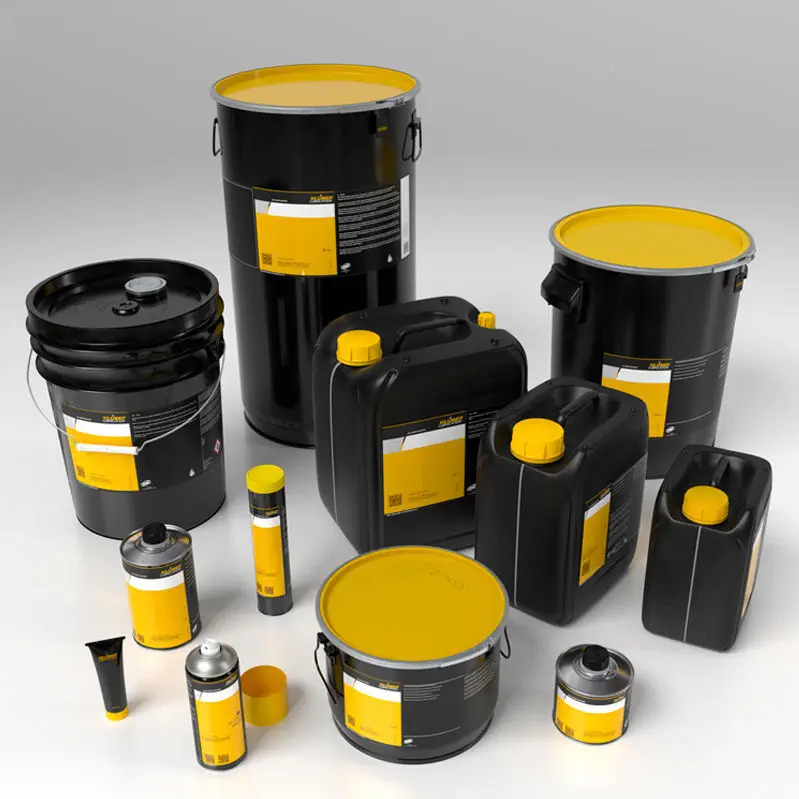
Challenges That High-Temp. Lubricants Address
- Lubricants breaking down at high temperatures
- Bearing and chain failures in ovens, kilns, and dryers
- Carbon buildup from conventional oils
- Frequent re-lubrication and downtime
— HIGH-TEMPERATURE LUBRICANTS RANGE
The Right High Temperature Lubricant
For Every Application
High-Temperature Grease
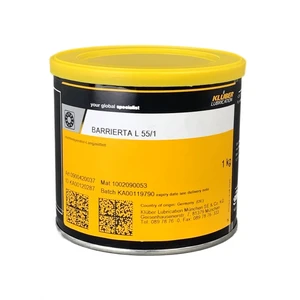
For bearings, conveyors, and high-load applications.
- Extreme temperature grease (up to 260°C+)
- PTFE and synthetic base oils
- Long re-lubrication intervals
- Reduced wear under high load
High-Temperature Chain Oil
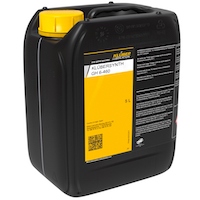
For oven chains, conveyor systems, and continuous processes.
- Extreme temperature grease (up to 260°C+)
- PTFE and synthetic base oils
- Long re-lubrication intervals
- Reduced wear under high load
Heat-Resistant Assembly Pastes
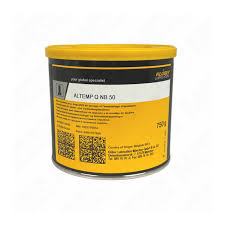
For bolts, threads, and components exposed to extreme heat.
- Anti-seize protection up to 1,000°C+
- Reliable assembly and dismantling
- Protection against corrosion and seizure
Industry Applications.
Where This Matters Most.
- Packaging → high-speed heated machinery
- Food & Beverage → oven chains, dryers (Food-grade NSF H1)
- Cement → kilns, clinker handling
- Steel & Metals → hot zones and rolling mills
- Plastics → extruders and heated systems
Proven Results
Case Study: Food Manufacturer
A major bakery faced frequent oven chain failures, costing $20,000/hour in downtime.
After switching to Klüberfood NH1 CH 2-220, chain life extended by 300% and maintenance costs dropped 65%, saving over $75,000 annually.
Why The Right High-Temperature Lubricants Matter
- High-temperature lubricants are engineered to:
- Maintain viscosity at elevated temperatures
- Reduce residue and carbon formation
- Extend lubrication intervals
- Protect components under continuous heat
Tip: How To Determine Maximum Operating Temperature
When selecting a grease, use these guidelines to establish the maximum operating temperature if not provided by the manufacturer:
- For greases with dropping points below 150°C: Subtract 24°C from the dropping point
- For greases with dropping points between 150°C and 205°C: Subtract 38°C from the dropping point
- For greases with dropping points above 205°C: Subtract 65°C from the dropping point
Frequently Asked Questions
Q: How often should high-temp lubricants be reapplied?
A: Intervals depend on operating conditions. Droplex specialists help design optimal schedules.
Q: Are these lubricants compatible with seals and plastics?
A: Yes, many are formulated for elastomer and plastic compatibility. Always check data sheets.
Q: Can I use them in my food plant?
A: Yes, we provide certified NSF H1-registered high-temperature lubricants for food processing industries.
Not Sure What You Need?
Selecting the right lubricant depends on temperature, load, speed, and environment.
We help you choose and validate the correct solution for your application.
Our High-Temperature Lubricant Portfolio
High-Temperature Greases
Specialized for bearings, seals, conveyors, and high-load applications.
| Product | Base | Service Temperature | Key Applications |
|---|---|---|---|
| BARRIERTA L 55/2 | PTFE | Up to 260°C | Long-term lubrication and high-load applications in extreme temperatures |
| Klübertemp GR AR 555 | PTFE | Up to 250°C | High-load applications in severe conditions, including food |
| Klübertemp HM 83-402 | PTFE | Up to 260°C | High-load applications in severe conditions, including food |
| PETAMO GHY 133 | Polyurea thickener | Up to 160°C | Versatile applications requiring thermal stability |
High-Temperature Chain Oils
For drive, control, and transport chains in baking ovens, packaging, and plastics.
| Product | Service Temperature | Features | Key Applications |
|---|---|---|---|
| Klüberfood NH1 CH 2-220 Plus | Up to 260°C | Food-grade certification for food and beverage industries | Chain lubrication |
| Klübersynth CTH 2-260 | Up to 250°C | Excellent penetration and wear protection properties | Chain lubrication |
High-Temperature Assembly Pastes
Facilitates assembly/dismantling under extreme heat.
| Product | Service Temperature | Key Applications |
|---|---|---|
| Klüberpaste UH1 96-402 | 200°C – 1,200°C | Food-grade paste for threaded connections |
| Klüberpaste HEL 46-450 | Up to 1,000°C | Bolted connections in extreme thermal conditions |